

Improving Coal Processing with KQT-X Dry-Process Mineral Separation Jig
The coal industry, a central player in global energy production, has undergone substantial changes over the past few decades. As global demand for energy grows and environmental concerns intensify, the industry faces increasing pressure to enhance coal recovery efficiency while minimizing environmental impact. Traditional coal processing methods, especially those relying on water-intensive wet separation technologies, are being reevaluated due to issues related to water scarcity, wastewater management, and increasing operational costs. In this context, dry-process technologies, such as the KQT-X Dry-Process Mineral Separation Jig, are emerging as powerful alternatives to traditional wet separation methods.
Coal remains a vital energy source worldwide, providing a significant portion of electricity generation in many countries. However, the coal industry faces a host of challenges: environmental regulations, water consumption concerns, and the demand for higher-quality coal. Traditional coal processing techniques, such as flotation and gravity separation, rely heavily on water. These methods have long been effective, but they are increasingly seen as unsustainable due to their high water consumption and the environmental impact of wastewater disposal.
As such, there is a growing demand for more sustainable technologies. Dry-process separation, especially through innovations like the KQT-X Jig, offers a promising solution by eliminating the need for water. With the rise of water scarcity in many mining regions and increasing pressure to comply with environmental regulations, demand for dry separation technologies is expected to grow. The KQT-X Dry-Process Jig fits this trend perfectly, offering enhanced coal recovery, water conservation, and operational efficiency.
The KQT-X Dry-Process Mineral Separation Jig operates on the principle of density-based separation. This technique is highly effective in distinguishing materials based on their density differences. The KQT-X Jig uses an air pulsation system combined with a vibrating bed to create an optimal environment for the separation process. As feedstock enters the jig, controlled pulses of air create stratification within the material bed, allowing the heavier coal particles to sink while lighter impurities such as ash and sulfur rise to the surface.
The key advantage of the KQT-X Jig is its adaptability. Operators can adjust air flow, pulse frequency, and vibration intensity to optimize the separation process depending on the material's characteristics. This adaptability ensures that the technology performs well under varying feedstock conditions, maintaining a high level of precision in coal recovery while efficiently separating unwanted materials.
This dry separation technology also results in several operational benefits, such as lower energy consumption compared to traditional wet separation methods. By reducing water use, the KQT-X Jig also mitigates the environmental footprint of coal mining operations.
The KQT-X Dry-Process Jig is designed with robust construction to withstand the harsh conditions of coal mining operations. The primary components of the system include the vibrating separation bed, the air pulsation mechanism, and a sophisticated control interface. The vibrating bed is constructed from durable, wear-resistant materials to handle the abrasive nature of coal and other materials. The air pulsation system is driven by energy-efficient compressors, generating high-frequency pulses that facilitate effective separation.
The components are engineered to ensure long-term durability and reliability, even in high-demand environments. Regular maintenance and calibration of the vibrating bed and air system are necessary to maintain optimal performance. The modular design of the system ensures easy maintenance and repair, which is crucial for minimizing downtime and maximizing operational efficiency.
Manufacturing processes focus on precision and the use of high-quality materials. The air pulsation system, for instance, incorporates cutting-edge engineering to minimize energy consumption while maximizing the effectiveness of the separation process. These factors contribute to the KQT-X Jig’s longevity and efficiency in coal processing applications.
Several key factors influence the performance of the KQT-X Jig. Feedstock characteristics, including particle size distribution, moisture content, and shape, play a significant role in the effectiveness of separation. The KQT-X Jig performs best when the feedstock is consistent in terms of particle size, as unevenly sized materials can disrupt stratification and lead to reduced separation efficiency.
Moisture content is another crucial factor. Excessive moisture can negatively affect the separation process, as it interferes with the density-based stratification. To achieve optimal results, it is recommended to process dry or low-moisture coal in the KQT-X Jig, as this ensures better separation accuracy and coal recovery.
Furthermore, the precision of the air pulsation and vibration settings is vital for ensuring high-quality separation. Regular monitoring and adjustment of the system based on feedstock variations will help maintain optimal performance over time.
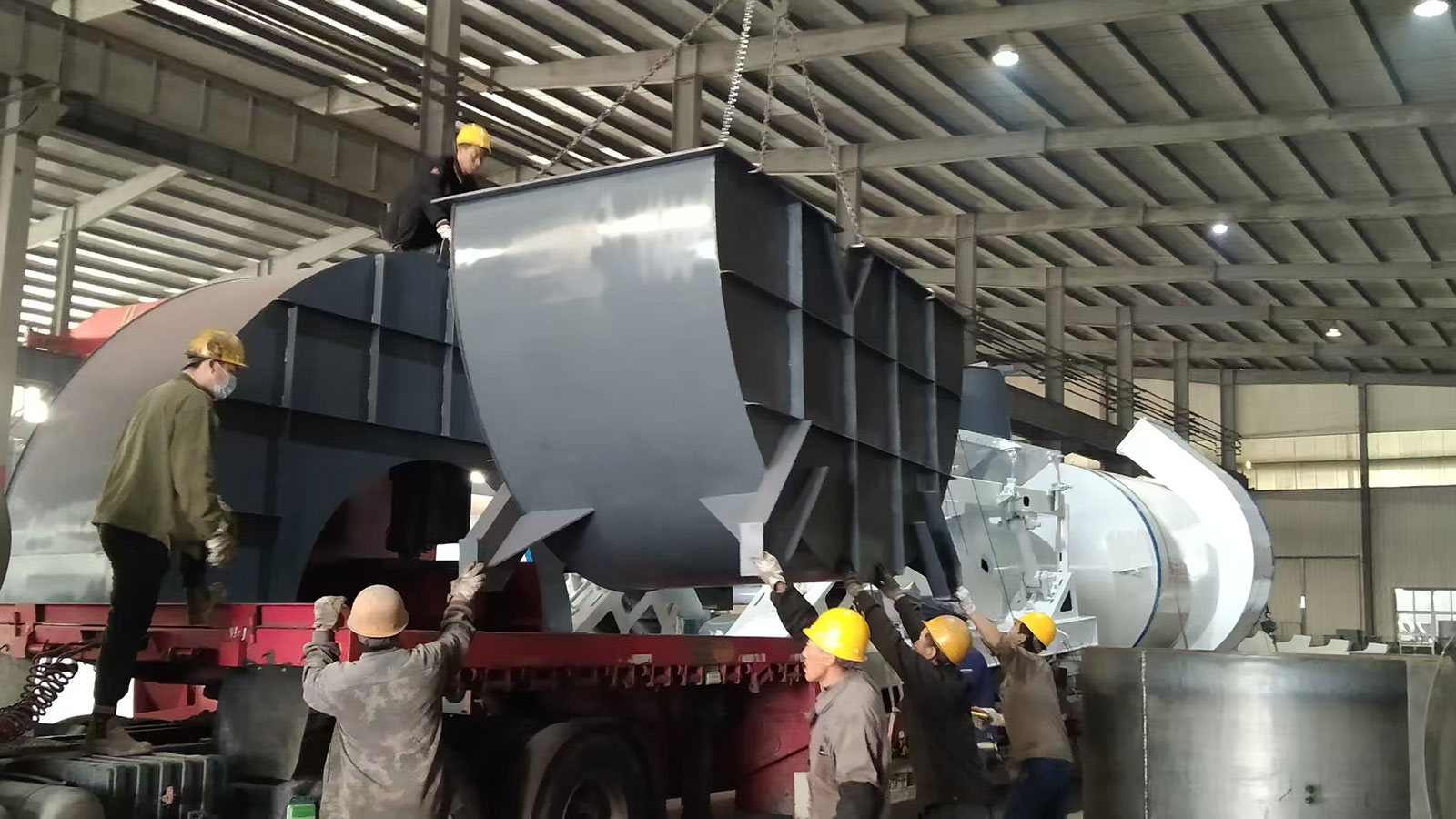
When selecting a supplier for the KQT-X Dry-Process Mineral Separation Jig, it is essential to consider several factors to ensure the system’s long-term reliability and effectiveness. A vendor with extensive experience in mining and mineral separation technologies is critical, as they can offer not only the equipment but also the necessary expertise for successful integration and optimization.
It is also important to assess the supplier’s after-sales service capabilities. Installation, training, maintenance support, and troubleshooting are key services that ensure the system runs efficiently throughout its lifecycle. The availability of spare parts and support for system upgrades is another crucial factor, as these can help reduce operational downtime and enhance the overall efficiency of mining operations.
Coal mining and processing operations face several common challenges that affect efficiency and profitability. Variability in feedstock characteristics, such as particle size and moisture content, can lead to inconsistencies in the final product quality. Traditional wet separation methods also require significant water resources, contributing to higher operational costs and environmental concerns.
The KQT-X Dry-Process Jig addresses these issues by offering precise control over separation parameters, such as air flow and vibration intensity. This allows the technology to adapt to varying feedstock conditions, ensuring consistent coal recovery and purity. Additionally, by eliminating the need for water, the KQT-X Jig helps mining operations reduce their environmental footprint and associated costs.
The KQT-X Jig is ideal for a variety of coal and mineral processing applications. In regions where water resources are scarce or where environmental regulations are stringent, the dry separation technology provides a sustainable alternative to traditional wet separation methods. For example, coal mines in arid regions of Australia have successfully implemented the KQT-X Jig to reduce water consumption while improving coal recovery rates.
In one notable case, a coal mine in South America adopted the KQT-X Jig to improve the recovery of high-value coal from low-grade material. By adjusting air pulsation and vibration settings, the mine was able to recover a significantly higher percentage of valuable coal while reducing waste and operational costs.
The mining industry is increasingly moving towards more sustainable practices, driven by both regulatory requirements and market demands. Dry-process separation technologies, such as the KQT-X Jig, align with this trend by reducing water usage, improving coal recovery, and lowering environmental impact.
Looking ahead, the integration of automation and sensor-based technologies will further enhance the efficiency of dry separation systems. The ability to monitor and adjust separation parameters in real-time will optimize recovery rates and improve overall process efficiency. Additionally, advancements in energy-efficient technologies will continue to reduce the operational costs of dry-process separation, making it even more attractive for coal and mineral processing operations worldwide.
What is the primary advantage of the KQT-X Dry-Process Jig?
The primary advantage of the KQT-X Jig is its ability to separate coal and minerals without using water, which reduces environmental impact and operational costs.
How does moisture content affect the performance of the KQT-X Jig?
High moisture content can reduce the effectiveness of the separation process, so it is recommended to process low-moisture materials for optimal results.
Can the KQT-X Jig be used for minerals other than coal?
Yes, the KQT-X Jig can be used for other minerals with similar density characteristics, making it versatile for various mineral processing applications.
The KQT-X Dry-Process Mineral Separation Jig offers a revolutionary approach to coal and mineral processing, delivering higher efficiency, reduced water consumption, and better recovery rates compared to traditional wet separation methods. By addressing the common challenges of coal mining operations, including water scarcity and feedstock variability, the KQT-X Jig provides a sustainable, cost-effective solution that meets the growing demands for both operational efficiency and environmental responsibility in the mining industry.
Tel : +86-315-5282855
E-mail : jinzexuanmeijixie@gmail.com
Address : 1.6 km south of Xinjichang Road,
Tangshan City, Hebei Province, China

Copyright © 2017.Company name All rights reserved.More Templates


Este sitio web utiliza cookies para garantizar que obtenga la mejor experiencia en nuestro sitio web.

 English
 Pусский
 Tiếng Việt
 Монгол



 Whatsapp
 Teléfono
Comentario
(0)