

Efficient and reliable material feeding is a critical requirement in heavy-duty industrial operations, including mining, aggregate processing, chemical production, and bulk material handling. Irregular feed rates, abrasive materials, and high throughput demands can compromise production efficiency and equipment longevity. Conventional feeding systems often struggle with continuous operation under heavy loads, leading to maintenance challenges, uneven material distribution, and process bottlenecks. The Durable Reciprocating Feeder for Heavy-Duty Operations is engineered to address these issues, providing consistent, controlled material flow while withstanding harsh industrial conditions.
Industrial sectors such as mining, mineral processing, and construction materials production face growing pressure to optimize throughput and reduce operational downtime. Accurate and uniform material feeding directly impacts downstream processes, including crushing, screening, and conveying. Heavy-duty operations require feeders that maintain precise feed rates over extended periods, handle abrasive or high-density materials, and operate with minimal intervention. The Durable Reciprocating Feeder for Heavy-Duty Operations is specifically designed to meet these market demands, offering high-capacity performance and long-term reliability.
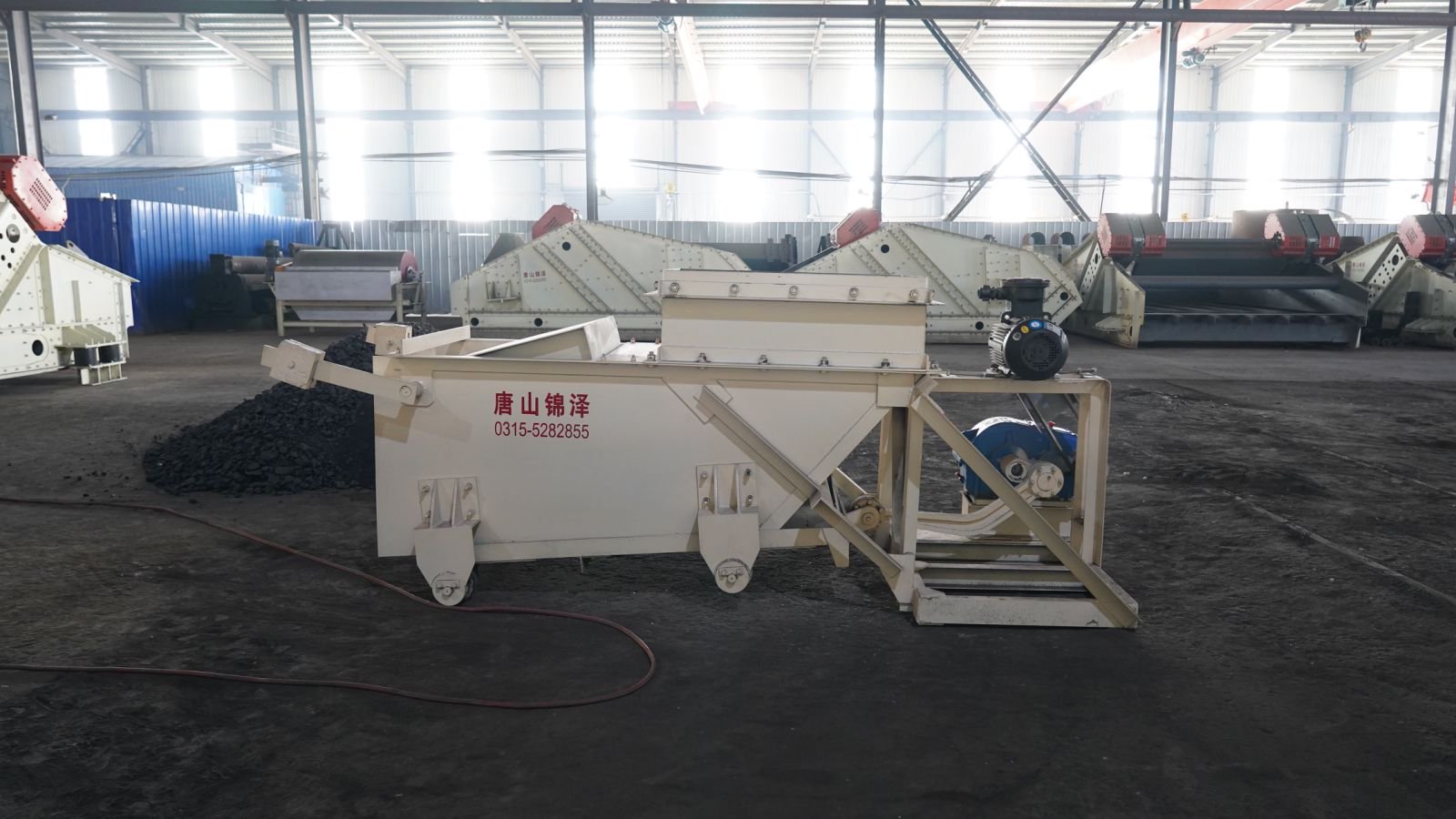
The feeder operates on a reciprocating mechanism, using linear motion to move bulk materials from hoppers or storage bins onto conveyors or processing equipment. The controlled stroke and speed ensure uniform material distribution, preventing surges or blockages. The design minimizes vibration and mechanical stress, allowing stable operation even with dense or abrasive feeds. Adjustable settings enable optimization for different material characteristics, including particle size, density, and flow behavior. By delivering consistent material flow, the reciprocating feeder enhances process efficiency and reduces operational variability in downstream equipment.
Durability and performance are critical for heavy-duty feeders. The Durable Reciprocating Feeder for Heavy-Duty Operations features a robust steel frame, reinforced wear plates, and abrasion-resistant components to withstand continuous operation under harsh conditions. High-strength drives and precision bearings ensure smooth linear motion, minimizing downtime and maintenance requirements. The feeder's modular design allows quick replacement of wear parts, reducing service interruptions. The combination of heavy-duty materials and precise engineering ensures long-term operational stability and energy-efficient performance, even under demanding industrial workloads.
Several factors influence feeder efficiency and reliability:
Material Properties: Particle size, moisture content, and abrasiveness affect wear rates and flow consistency.
Stroke and Speed Settings: Proper adjustment ensures uniform material distribution and prevents overloading.
Load Management: Continuous monitoring of feed rates and hopper levels avoids surges or blockages.
Maintenance Practices: Routine inspection, lubrication, and timely replacement of wear parts sustain optimal performance.
Attention to these factors ensures consistent feed rates, reduced maintenance costs, and longer service life.
Selecting a reliable supplier is essential to ensure quality and performance. Key considerations include:
Technical Expertise: Suppliers experienced in heavy-duty material handling can recommend optimal feeder configurations.
Manufacturing Standards: Compliance with ISO or equivalent quality standards ensures durability and operational consistency.
Support and Service: Availability of installation guidance, spare parts, and technical support reduces operational risk.
Proven Performance: Case studies and references demonstrate reliability under heavy-duty conditions.
A trustworthy supplier ensures the feeder performs consistently, maximizing return on investment.
Heavy-duty feeding operations often face challenges such as rapid wear from abrasive materials, uneven material flow, and performance variability under fluctuating loads. Mechanical issues like misalignment, bearing failure, or drive malfunction can lead to unscheduled downtime. These challenges are mitigated through robust material selection, precise engineering, and routine preventive maintenance, ensuring consistent performance and minimal operational disruption.
The Durable Reciprocating Feeder for Heavy-Duty Operations is widely utilized in mining operations for controlled ore feed to crushers and mills. In aggregate processing, it ensures uniform material distribution to conveyors and screens. Chemical and mineral processing plants rely on the feeder for precise and consistent delivery of powders and granular materials. Its ability to handle high loads, abrasive materials, and continuous operation makes it ideal for large-scale industrial applications where reliability and efficiency are paramount.
Industrial trends emphasize automation, predictive maintenance, and energy-efficient operation. Modern reciprocating feeders are increasingly integrated with sensors and control systems to monitor stroke, speed, and material flow, allowing real-time adjustments. Development of wear-resistant alloys and modular components reduces maintenance frequency and operational costs. As industrial operations demand higher throughput, precise material handling, and sustainable energy use, the Durable Reciprocating Feeder for Heavy-Duty Operations remains a key solution for modern heavy-duty processing facilities.
Q: What types of materials can this feeder handle?
A: It can process powders, granules, ores, and slurries with varying density and abrasiveness.
Q: How is maintenance minimized?
A: High-strength materials, modular wear parts, and precision drives reduce wear and simplify replacement.
Q: Can it operate continuously under heavy loads?
A: Yes, it is engineered for stable, long-term operation in heavy-duty industrial environments.
Tel : +86-315-5282855
E-mail : jinzexuanmeijixie@gmail.com
Address : 1.6 km south of Xinjichang Road,
Tangshan City, Hebei Province, China

Copyright © 2017.Company name All rights reserved.More Templates


Este sitio web utiliza cookies para garantizar que obtenga la mejor experiencia en nuestro sitio web.

 English
 Pусский
 Tiếng Việt
 Монгол



 Whatsapp
 Teléfono