

Industrial mineral processing operations increasingly face the challenge of processing large volumes of material while maintaining high product quality and operational efficiency. Traditional flat or linear vibrating screens often encounter limitations such as uneven particle distribution, clogging, and high energy consumption. The Energy-Efficient Impact Arc Screen for Continuous Operation addresses these challenges through an innovative curved screening design and optimized vibration control, providing precise, stable, and energy-conscious material separation suitable for large-scale mining, quarrying, and industrial processing plants.
Modern processing plants handle increasingly complex ores, aggregates, and industrial minerals. Declining ore grades and the need for consistent product specifications have heightened the importance of precise screening technology. Industries such as copper, lead, zinc, barite, limestone, and aggregates rely on reliable screening equipment to separate fine and coarse particles effectively. Inefficient screening can lead to reduced throughput, material loss, and increased operational costs. As a result, there is growing demand for high-performance screens that combine energy efficiency with continuous operation, minimizing downtime and maximizing productivity. The Energy-Efficient Impact Arc Screen for Continuous Operation meets these industry requirements by providing robust, high-capacity screening for demanding industrial applications.
The impact arc screen operates on the principle of dynamic arc screening. Unlike conventional linear screens, the curved deck design promotes uniform stratification of particles, enhancing separation efficiency for both fine and coarse materials. Vibratory motors generate controlled oscillations, causing material to flow efficiently along the arc while smaller particles pass through the screening apertures. Adjustable vibration amplitude, frequency, and deck angle allow operators to optimize performance for various feed characteristics, particle size distributions, and moisture levels. By enhancing particle-bubble interaction and minimizing dead zones, the arc design ensures continuous, precise separation, reducing material clogging and improving overall plant efficiency.
Durable construction is essential for continuous industrial operation. The Energy-Efficient Impact Arc Screen for Continuous Operation features a reinforced steel frame, wear-resistant deck panels, and high-strength support components. Impellers, vibration motors, and springs are designed for long operational life with minimal maintenance. Precision manufacturing, including CNC machining and controlled welding, ensures accurate alignment of arc decks, reducing vibration imbalance and extending component lifespan. The curved screening surface encourages self-cleaning, minimizing material buildup and maintaining consistent throughput. Combined with energy-efficient vibratory motors, the design reduces power consumption without compromising separation quality.
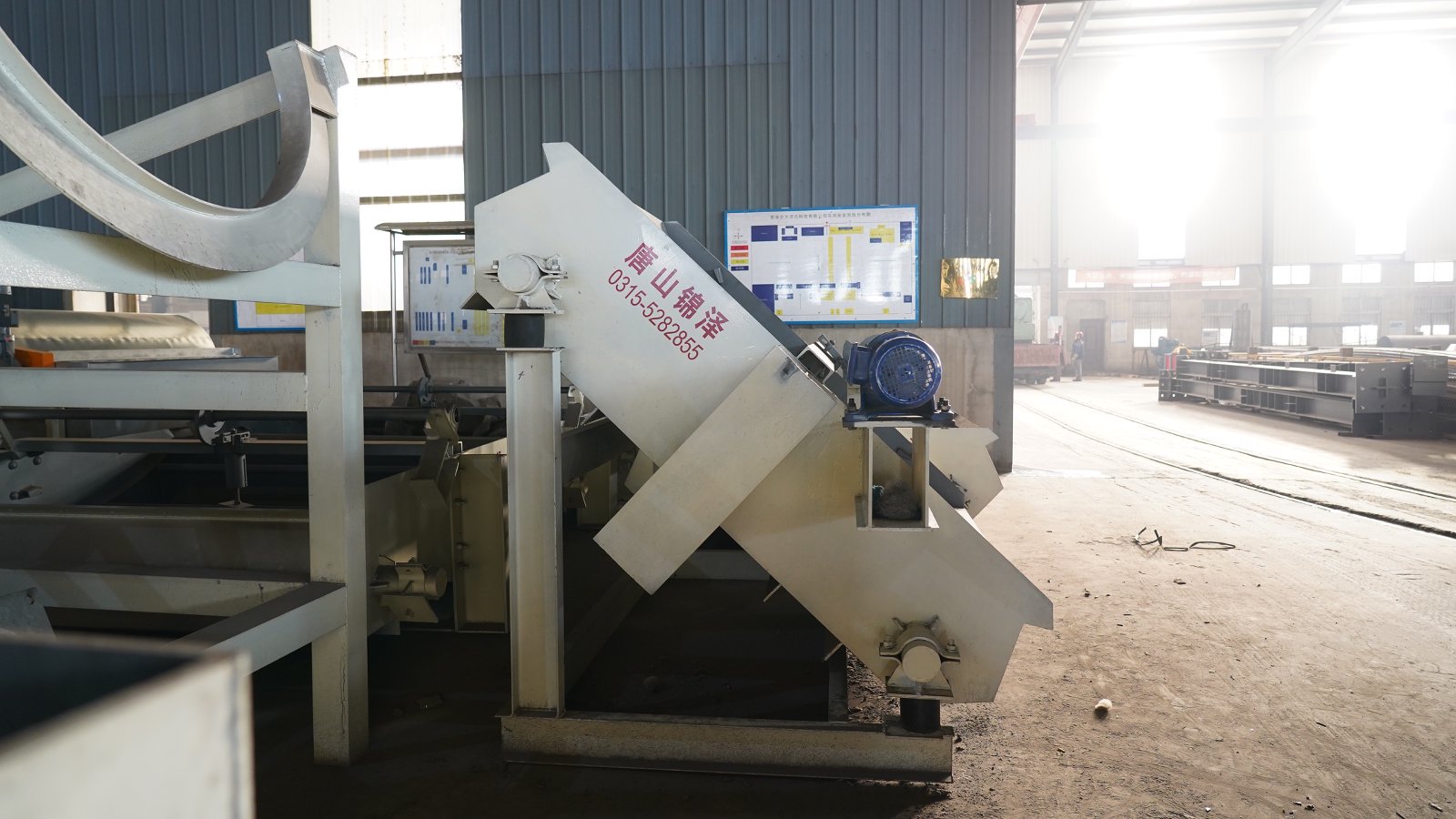
Several factors influence the operational efficiency of impact arc screens:
Particle Size and Feed Distribution: Proper selection of deck aperture and configuration ensures efficient separation of fine and coarse particles.
Material Moisture Content: High moisture levels can affect particle flow and screen performance, requiring adjustment of vibration settings.
Vibration Parameters: Optimizing amplitude and frequency is essential to prevent clogging and maximize throughput.
Deck Condition and Wear: Regular inspection and replacement of worn panels are critical to maintaining consistent separation quality.
Monitoring and adjusting these factors ensures that the screen operates reliably under continuous industrial conditions.
Selecting a qualified supplier for impact arc screens requires consideration of several criteria:
Process Engineering Expertise: Suppliers with experience in mineral processing can provide guidance on optimal screen configuration and integration.
Manufacturing Quality Standards: Adherence to ISO or equivalent standards ensures consistent fabrication and component reliability.
Technical Support: Access to installation guidance, commissioning, and spare parts minimizes operational downtime.
Proven Applications: References and documented performance in similar industrial settings provide confidence in long-term operational stability.
Choosing a reputable supplier ensures that the screen performs effectively and delivers sustained value in industrial operations.
Even with advanced designs, impact arc screens face challenges such as excessive wear when processing abrasive materials, material clogging under high moisture conditions, and vibration imbalance due to improper installation or uneven feed. Proper selection of materials, routine maintenance, and monitoring of operational parameters mitigate these issues, ensuring continuous and stable operation.
The Energy-Efficient Impact Arc Screen for Continuous Operation is widely applied in mining, quarrying, and industrial mineral plants. In copper concentrators, it ensures uniform feed to flotation circuits, improving recovery rates. Limestone and barite operations benefit from precise particle classification, reducing oversize materials and improving product consistency. Aggregate plants use the arc screen to efficiently separate multiple particle size fractions, enhancing downstream crushing and grinding processes. Its adaptability allows seamless integration into both wet and dry processing systems, demonstrating versatility across industrial applications.
The mineral processing industry is increasingly adopting automation, digital monitoring, and energy-efficient designs. Modern arc screens integrate sensors to monitor vibration, feed rate, and throughput, enabling real-time adjustments that optimize separation efficiency and reduce energy consumption. Development of wear-resistant alloys and modular screening panels further extends operational life and reduces maintenance frequency. As processing plants face declining ore grades and more complex feed compositions, the Energy-Efficient Impact Arc Screen for Continuous Operation is expected to play a critical role in maintaining productivity, reliability, and sustainable industrial performance.
Q: What particle sizes are suitable for arc screens?
A: Arc screens are effective for a wide range of particle sizes, from fine to coarse, depending on deck aperture and configuration.
Q: How does the curved design improve screening performance?
A: The arc-shaped deck promotes uniform particle stratification, minimizes clogging, and increases separation efficiency for both fine and coarse materials.
Q: Can the arc screen operate continuously in industrial plants?
A: Yes, it is engineered for continuous operation under abrasive and high-volume conditions, provided routine maintenance and monitoring are performed.
Tel : +86-315-5282855
E-mail : jinzexuanmeijixie@gmail.com
Address : 1.6 km south of Xinjichang Road,
Tangshan City, Hebei Province, China

Copyright © 2017.Company name All rights reserved.More Templates


Este sitio web utiliza cookies para garantizar que obtenga la mejor experiencia en nuestro sitio web.

 English
 Pусский
 Tiếng Việt
 Монгол



 Whatsapp
 Teléfono