

As mineral processing plants pursue higher efficiency and tighter product specifications, density-based separation technologies have gained renewed attention. The need to recover fine and medium-sized particles with minimal loss has become increasingly critical, particularly in coal preparation and non-metallic mineral beneficiation. Against this backdrop, the TBS Interference Sorting Bed for Precise Density-Based Mineral Sorting has emerged as a technically mature solution for applications requiring stable separation performance and consistent product quality.
Global demand for energy resources, construction materials, and industrial minerals continues to grow, while ore grades are gradually declining. This trend places additional pressure on processing plants to maximize recovery rates and reduce waste. Conventional gravity separation equipment often struggles to achieve precise separation when particle sizes become finer or when density differences between materials narrow.
In coal preparation plants, for example, efficient separation of low-density coal from high-density gangue directly affects calorific value and downstream combustion efficiency. Similarly, mineral processing facilities handling materials such as fluorite, barite, or phosphate require accurate density-based sorting to meet market specifications. These challenges have driven demand for interference-based sorting systems capable of handling fine particles under controlled hydraulic conditions.
The TBS system operates on the principle of interference settling. Unlike traditional jigging or simple gravity separation, a TBS Sorting Bed establishes a stable, upward water flow that creates a controlled suspension environment. Within this environment, particles stratify according to their density rather than size alone.
The TBS Interference Sorting Bed for Precise Density-Based Mineral Sorting uses precisely regulated water velocity and bed pressure to maintain an interference zone where particles with similar settling velocities interact. Lower-density particles migrate upward and discharge as clean product, while higher-density materials settle downward for rejection. This mechanism enables accurate separation even when particle size ranges overlap, a common limitation in conventional systems.
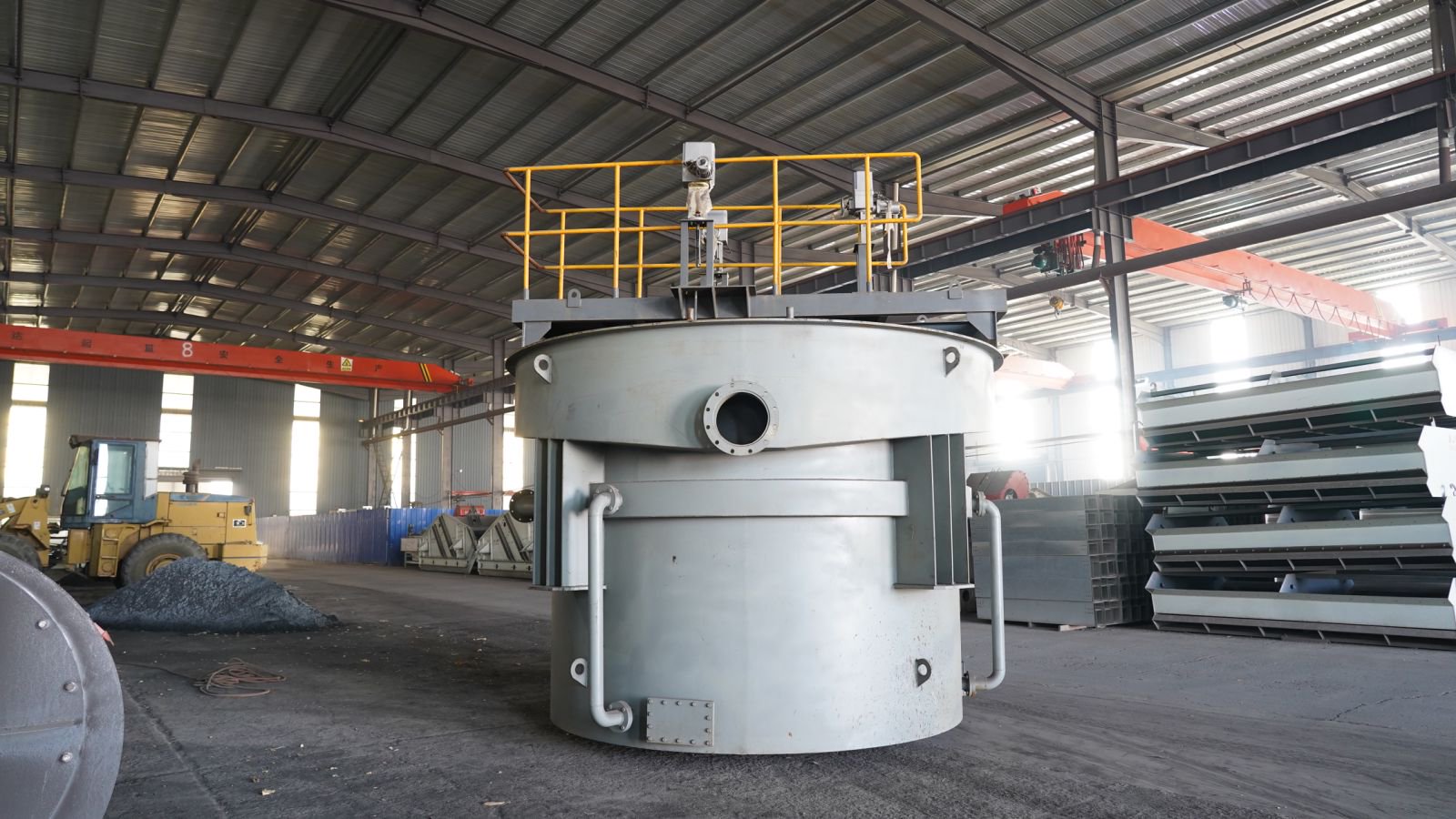
Structural stability is essential for maintaining consistent separation performance. TBS sorting beds are typically constructed using reinforced steel frames designed to withstand continuous hydraulic loading. Internal components exposed to slurry flow are manufactured from wear-resistant materials, such as abrasion-resistant steel or polymer linings, to extend service life.
Manufacturing precision plays a decisive role in performance consistency. Flow channels, distribution plates, and discharge zones must be fabricated to tight tolerances to ensure uniform water distribution across the sorting bed. Advanced fabrication processes, including CNC machining and controlled welding procedures, help minimize deviations that could disrupt hydraulic balance during operation.
Several operational and design factors directly affect sorting accuracy:
Feed Stability: Fluctuations in feed rate or particle size distribution can disturb the interference zone, reducing separation precision. Stable upstream classification improves performance.
Water Flow Control: Accurate regulation of upward water velocity is critical. Excessive flow may carry high-density particles into the clean product, while insufficient flow reduces stratification.
Particle Size Range: TBS systems perform best within defined size fractions. Excessively wide size distributions can compromise separation efficiency.
Material Characteristics: Particle shape, surface roughness, and density contrast all influence settling behavior and must be considered during system configuration.
Optimizing these factors through commissioning and routine calibration ensures long-term operational stability.
Selecting a suitable supplier for TBS equipment involves more than basic specifications. Buyers should evaluate:
Process Engineering Capability: Suppliers with strong process knowledge can recommend appropriate operating parameters and integration solutions.
Manufacturing Quality Control: Consistent fabrication standards reduce variability between units and improve long-term reliability.
After-Sales Technical Support: Access to commissioning assistance, operator training, and spare parts is essential for minimizing downtime.
Application References: Proven performance in similar materials or operating conditions provides confidence in system suitability.
These considerations support informed procurement decisions and reduce lifecycle risk.
Despite its advantages, interference sorting faces several practical challenges. Inconsistent feed conditions may lead to unstable separation layers. High clay content or excessive fines can affect slurry viscosity, complicating water flow control. Additionally, improper maintenance of water distribution systems may cause uneven flow, reducing separation accuracy.
Addressing these issues requires coordinated process control, regular inspection, and operator training. When properly managed, TBS systems offer reliable performance even under demanding conditions.
The TBS Interference Sorting Bed for Precise Density-Based Mineral Sorting is widely applied in coal preparation plants for fine coal cleaning, improving recovery while reducing ash content. In non-metallic mineral processing, it supports density-based separation of materials such as barite and fluorite, where high product purity is required.
A European coal processing facility implemented a TBS system to replace traditional jigging equipment for fine coal fractions. The result was improved separation accuracy, reduced product variability, and more stable downstream processing, demonstrating the system’s suitability for continuous industrial operation.
Future developments in TBS technology are closely linked to automation and digital monitoring. Sensors measuring pressure, flow rate, and bed stability enable real-time adjustments, enhancing separation consistency. Integration with plant-wide control systems supports data-driven optimization and predictive maintenance strategies.
Environmental considerations are also shaping design priorities. Water reuse systems and energy-efficient pumps reduce operating costs and environmental impact. As processing plants continue to handle lower-grade ores and finer particle sizes, interference-based sorting technologies are expected to play an increasingly important role.
Q: What particle size range is best suited for TBS sorting beds?
A: TBS systems typically perform best with fine to medium-sized particles where density differences are significant and size overlap is present.
Q: How does TBS compare to traditional gravity separation equipment?
A: TBS provides more precise density-based separation under controlled hydraulic conditions, especially for fine particles that are difficult to process using conventional methods.
Q: Is continuous operation possible with TBS systems?
A: Yes, when properly configured, TBS sorting beds are well suited for stable, continuous industrial operation.
Tel : +86-315-5282855
E-mail : jinzexuanmeijixie@gmail.com
Address : 1.6 km south of Xinjichang Road,
Tangshan City, Hebei Province, China

Copyright © 2017.Company name All rights reserved.More Templates


Este sitio web utiliza cookies para garantizar que obtenga la mejor experiencia en nuestro sitio web.

 English
 Pусский
 Tiếng Việt
 Монгол



 Whatsapp
 Teléfono