

Coal Preparation Equipment for Modern Coal Processing Plants
Coal preparation equipment plays a decisive role in transforming raw run-of-mine coal into a consistent, market-ready product. As coal processing plants face increasing pressure to improve efficiency, reduce operating costs, and comply with environmental standards, the performance of preparation equipment has become a critical determinant of overall plant reliability. Modern coal processing plants depend on integrated systems that can handle variable feed characteristics while maintaining stable throughput and predictable product quality.
Coal remains an essential energy source and industrial raw material, particularly for power generation and steel production. Thermal coal users demand controlled particle size and low ash content to improve combustion efficiency and reduce emissions. Metallurgical coal applications require precise preparation to ensure consistent coking behavior. In response, the market has shifted toward advanced coal preparation equipment capable of addressing fluctuating feed quality, higher production volumes, and stricter regulatory requirements. This demand is particularly strong in regions where aging infrastructure must be modernized without disrupting continuous operations.
Coal preparation focuses on separating valuable coal from impurities and achieving the desired size distribution for downstream use. Key technologies include crushing for size reduction, screening for particle classification, gravity or density-based separation for impurity removal, and dewatering for moisture control. Modern systems integrate automated control of process variables such as feed rate, separation density, and water balance. Sensors and monitoring tools allow operators to maintain stable conditions, improving efficiency and reducing material losses across the processing line.
A typical coal preparation equipment configuration includes crushers, vibrating screens, separation units, dewatering devices, conveyors, and structural support systems. Crushers and separation vessels are commonly manufactured from high-strength steel alloys to withstand impact and abrasion. Wear-prone surfaces are protected with hardened liners or composite materials to extend service life. Manufacturing processes emphasize precision machining, controlled heat treatment, and rigorous quality inspection. Performance is measured through throughput capacity, separation efficiency, moisture reduction, and energy consumption per ton of coal processed.
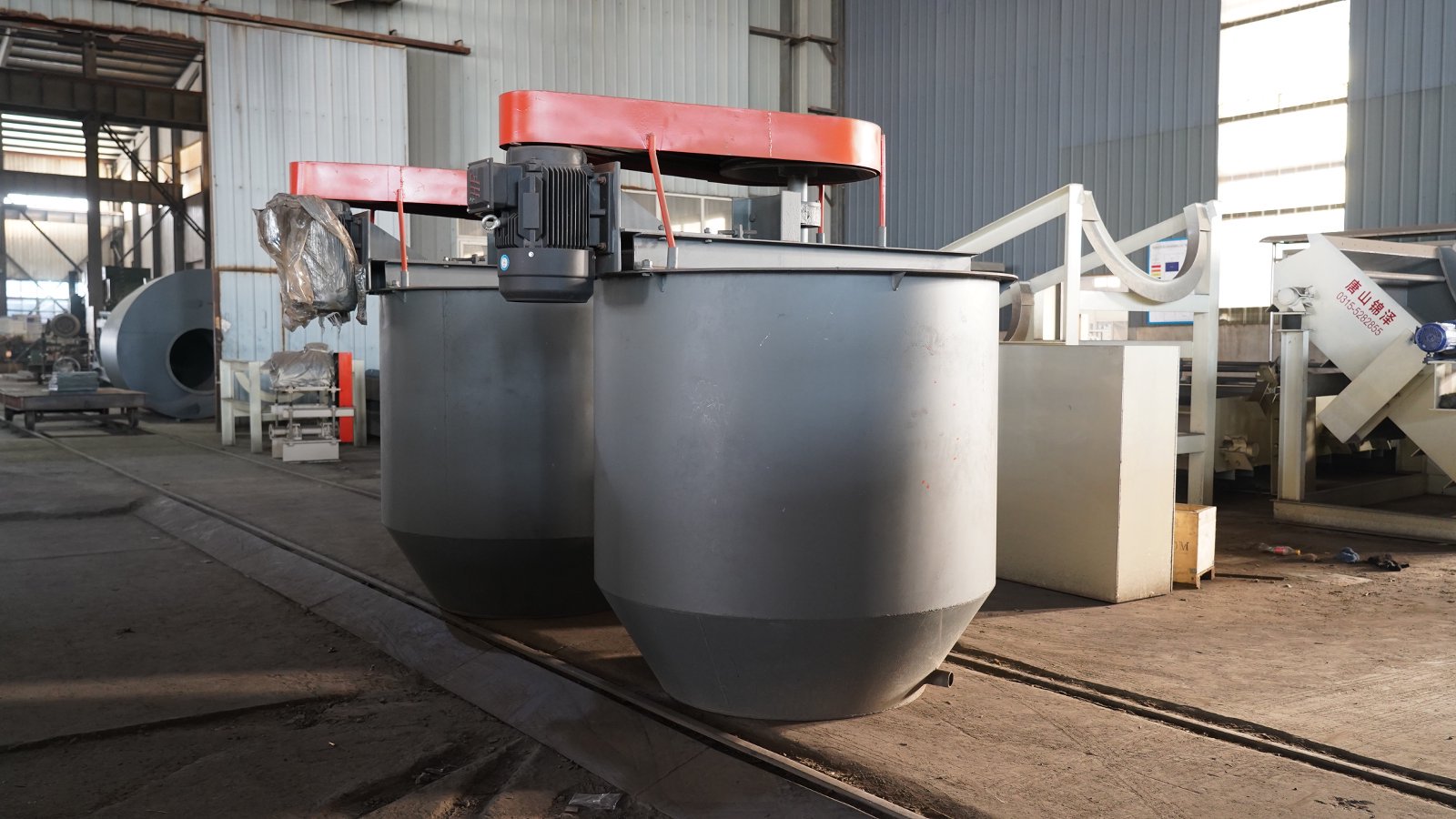
Several factors influence the effectiveness of coal preparation equipment. Feed coal characteristics, including hardness, moisture, and impurity distribution, directly affect equipment selection and operating parameters. Equipment wear can alter critical dimensions and reduce separation accuracy over time. Process stability also depends on uniform material flow and proper maintenance of screening surfaces and crushing components. Additionally, operator skill and monitoring practices play an important role in maintaining consistent performance under changing conditions.
Selecting appropriate suppliers is essential for long-term operational stability. Reliable suppliers typically demonstrate experience in coal processing applications, compliance with international engineering standards, and the ability to provide customized equipment solutions. Access to spare parts, technical documentation, and responsive service support significantly reduces downtime risks. A transparent and resilient supply chain also helps plants manage maintenance schedules and control total lifecycle costs.
Coal processing plants often encounter challenges such as excessive fines generation, high wear rates, and inconsistent product quality. Managing abrasive materials increases maintenance demands, while high moisture content can reduce screening efficiency and throughput. Environmental concerns, including dust emissions and water usage, further complicate operations. Addressing these issues requires well-designed equipment, effective wear protection strategies, and optimized process control systems.
Coal preparation equipment is widely used in surface mines, underground operations, and centralized processing facilities. Large power-generation supply plants rely on multi-stage preparation systems to ensure uniform fuel quality. Metallurgical coal plants use advanced separation and sizing equipment to meet strict specifications for steelmaking. In both cases, modular equipment designs allow plants to adapt capacity and configuration as production requirements evolve, supporting long-term operational flexibility.
The coal processing industry is increasingly adopting digitalization and automation to enhance operational efficiency. Coal preparation equipment is now equipped with real-time monitoring, data analytics, and predictive maintenance tools that help identify potential issues before failures occur. Future developments are expected to focus on reducing energy consumption, improving fine coal recovery, and minimizing environmental impact through water-efficient designs. These advancements support more sustainable and resilient coal processing plants.
How does coal quality affect equipment selection?
Coal hardness, moisture, and impurity levels determine the appropriate crushing, screening, and separation technologies.
What maintenance practices improve equipment reliability?
Regular inspection of wear components, timely liner replacement, and process monitoring help maintain consistent performance.
Can modern coal preparation equipment handle variable feed conditions?
Yes, advanced systems are designed with adjustable parameters and automated controls to adapt to changing feed characteristics.
Coal preparation equipment remains fundamental to the efficiency and reliability of modern coal processing plants. By integrating robust design, advanced control technologies, and thoughtful supplier selection, operators can address common industry challenges and meet evolving market demands. As processing requirements continue to grow more complex, well-engineered coal preparation systems will remain central to achieving consistent quality, cost control, and long-term operational success.
Tel : +86-315-5282855
E-mail : jinzexuanmeijixie@gmail.com
Address : 1.6 km south of Xinjichang Road,
Tangshan City, Hebei Province, China

Copyright © 2017.Company name All rights reserved.More Templates


Este sitio web utiliza cookies para garantizar que obtenga la mejor experiencia en nuestro sitio web.

 English
 Pусский
 Tiếng Việt
 Монгол



 Whatsapp
 Teléfono
Comentario
(0)