

Mineral Processing Equipment for Modern Mining Operations
Efficient mineral processing equipment is critical for modern mining operations, enabling the extraction and refinement of valuable minerals while maximizing recovery and operational efficiency. As the mining industry faces growing demand for high-quality ore, tighter environmental regulations, and increased operational costs, reliable and adaptable processing systems have become essential components in maintaining competitive and sustainable operations.
Mining operations worldwide require advanced processing equipment to meet the dual objectives of resource efficiency and product quality. Thermal and metallurgical industries, as well as specialty mineral applications, demand consistent particle size distribution, low impurity levels, and predictable ore characteristics. Traditional gravity and manual separation methods are increasingly insufficient for handling large-scale or complex ore bodies. Consequently, the market has seen a surge in demand for integrated mineral processing equipment that combines crushing, screening, grinding, separation, and dewatering functions while maintaining high throughput and operational stability.
Mineral processing relies on a combination of mechanical, physical, and sometimes chemical techniques to extract valuable components from ore. Key technologies include:
Crushing and Grinding: Reduce ore size to liberate minerals, optimizing downstream separation. Crushers and mills are designed for varying ore hardness and size requirements.
Screening and Classification: Sort materials into defined particle size ranges to ensure efficient separation. Vibrating screens, trommels, and spiral classifiers are commonly employed.
Separation Techniques: Utilize gravity, density, magnetic, or flotation principles to segregate valuable minerals from gangue. Precision in medium density, flow control, and residence time is critical.
Dewatering: Removes excess moisture from concentrate and tailings to improve handling and reduce environmental impact. Thickeners, filters, and centrifuges are standard solutions.
Modern systems integrate real-time monitoring, automated control, and process optimization to maintain consistent operation and maximize recovery rates across variable feed conditions.
A complete mineral processing plant typically combines multiple units into an integrated workflow. Key components include:
Feed Hoppers and Conveyors: Ensure stable material flow into crushing and screening units.
Crushers and Mills: Constructed from high-strength alloys with abrasion-resistant liners for durability.
Screening Units: Fabricated from hardened steel or composite materials for wear resistance and vibration stability.
Separation Units: Cyclones, flotation cells, or Magnetic Separators designed for precise density control and efficient mineral recovery.
Dewatering Equipment: Engineered for energy efficiency, high throughput, and long service life.
Manufacturing emphasizes precision machining, quality welding, and robust structural design to ensure reliable performance under continuous operation. Performance indicators include throughput capacity, recovery efficiency, energy consumption per ton of ore, and product consistency.
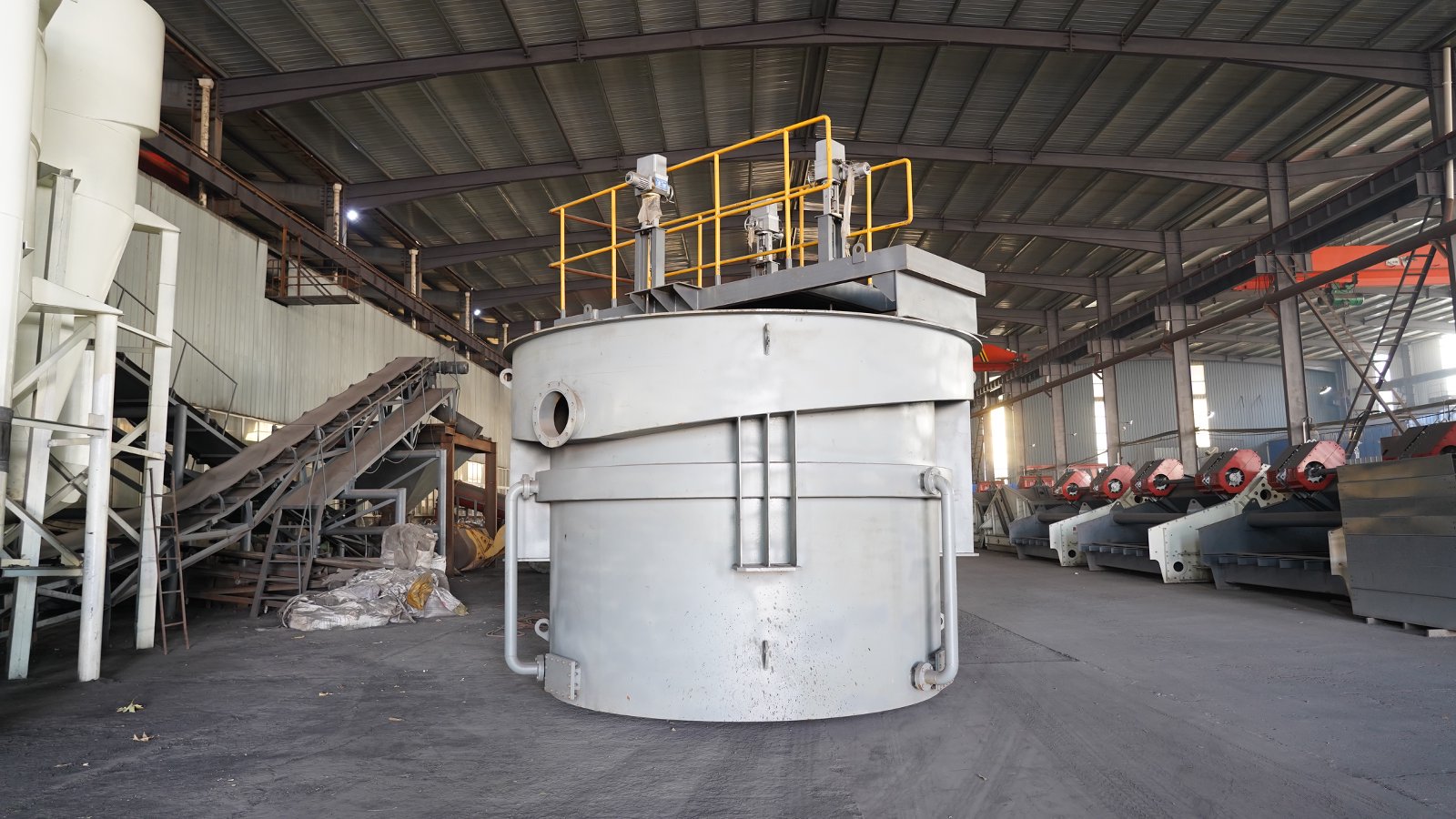
Several variables affect the efficiency of mineral processing equipment:
Ore Characteristics: Hardness, moisture content, particle size distribution, and mineral composition impact crusher selection and separation efficiency.
Equipment Wear: Abrasion and erosion alter internal geometries, affecting throughput and accuracy.
Process Control: Stable feed rate, flow distribution, and medium properties are essential for consistent performance.
Operator Expertise: Skilled operators who monitor key parameters and maintain equipment significantly improve operational reliability.
Addressing these factors requires a combination of robust design, proactive maintenance, and adaptive process control strategies.
Selecting a reliable equipment supplier is critical for long-term operational stability. Key considerations include:
Proven experience in mineral processing applications
Compliance with international engineering and safety standards
Availability of spare parts and technical support
Customization capabilities to match specific ore characteristics and plant capacities
A dependable supplier ensures equipment reliability, reduces unplanned downtime, and supports efficient lifecycle management.
Mining operations often face challenges such as excessive fines generation, high wear rates, energy consumption, and variability in ore feed. Environmental regulations related to dust, water usage, and tailings management further complicate operations. Modern mineral processing equipment addresses these issues through optimized design, advanced wear protection, energy-efficient operation, and automated monitoring systems.
Mineral processing equipment is employed across diverse scenarios:
Large-Scale Mining: Integrated systems for crushing, screening, and separation of complex ore bodies.
Metallurgical Coal Plants: Achieving consistent particle size and impurity control for steel production.
Specialty Minerals: Precise separation of rare earth elements or industrial minerals for chemical or manufacturing applications.
Equipment modularity allows plants to scale operations, adapt to changing ore characteristics, and meet evolving market demands.
The industry is increasingly embracing digitalization, predictive maintenance, and energy-efficient designs. Real-time monitoring, process analytics, and automated control enable optimized operation, improved recovery rates, and reduced operational costs. Future developments focus on reducing environmental impact, improving fine mineral recovery, and integrating adaptive systems capable of handling variable ore characteristics. These trends support more sustainable, resilient, and cost-effective mining operations.
How does ore variability affect equipment performance?
Equipment performance is influenced by ore hardness, moisture, and particle size distribution, which require adaptable operating parameters.
What maintenance practices improve equipment longevity?
Regular inspections, timely replacement of wear components, and process monitoring help maintain consistent performance.
Can modern mineral processing equipment handle fine particles effectively?
Yes, advanced separation units and process control systems are designed to optimize recovery of fine minerals.
Mineral processing equipment is central to modern mining operations, providing efficient, reliable, and adaptable solutions for ore preparation and recovery. Through integrated design, robust manufacturing, and process optimization, these systems address industry challenges while supporting high throughput, consistent quality, and sustainable mining practices. The continued evolution of technology promises more energy-efficient, automated, and environmentally responsible solutions for the global mining sector.
Tel : +86-315-5282855
E-mail : jinzexuanmeijixie@gmail.com
Address : 1.6 km south of Xinjichang Road,
Tangshan City, Hebei Province, China

Copyright © 2017.Company name All rights reserved.More Templates


Este sitio web utiliza cookies para garantizar que obtenga la mejor experiencia en nuestro sitio web.

 English
 Pусский
 Tiếng Việt
 Монгол



 Whatsapp
 Teléfono
Comentario
(0)